
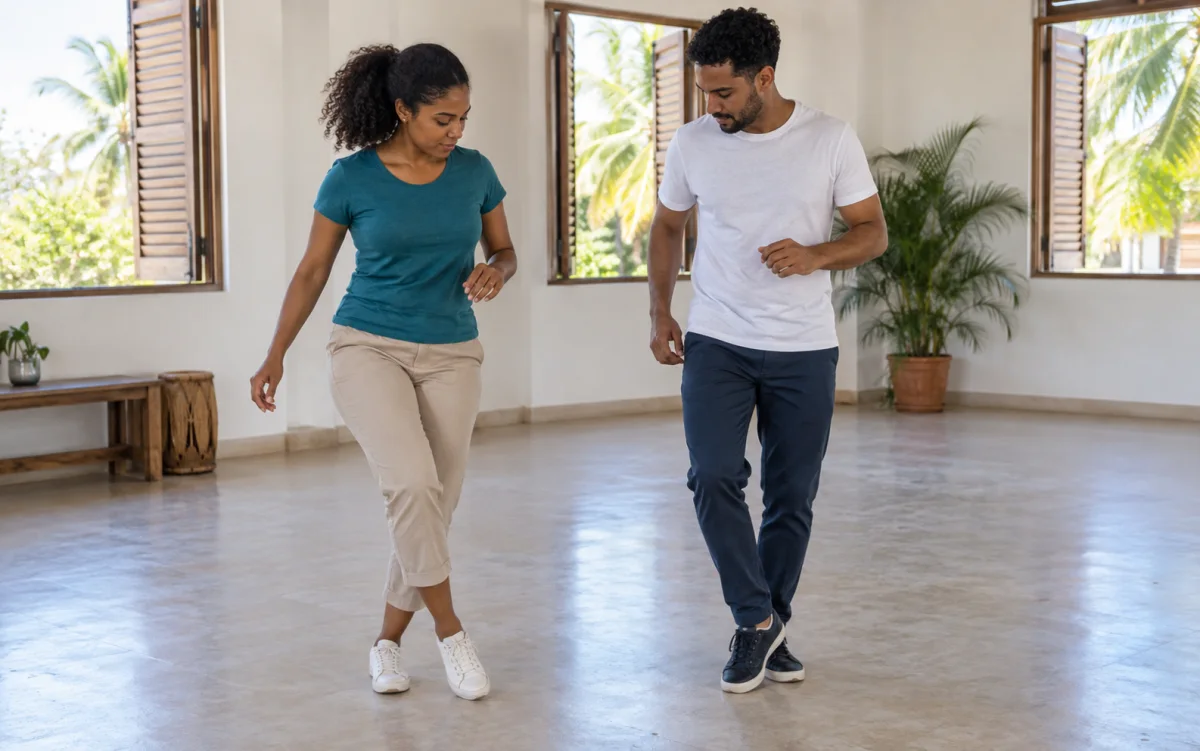
Measure progress by skills, not lesson count
Try keeping the basic step through a song, finding the beat again after a mistake and changing direction without pulling your partner. If one task is difficult, make it the focus of your next practice before adding more turns.
Learning bachata isn't like learning a language or an instrument: you don't need months before you start enjoying it. What does vary is how long it takes to go from "I can do the basic step" to "I can dance comfortably on a crowded floor." In this guide we share the real timelines by level and, above all, what you can achieve during your vacation in the birthplace of bachata.
The honest answer: it depends on the level you want
Instructors agree on fairly consistent timelines. To reach a basic level — dancing socially without getting lost — you need 1 to 3 months of regular practice. An intermediate level, with turns and musicality, comes between 6 and 10 months. And an advanced level, with your own style and refined connection, usually takes 1 to 2 years.
The basic step and a simple turn are useful early goals. Some people begin coordinating them in the first session; others need more repetition. Comfort on a social floor develops with practice.
| Level | Approx. time | What you can do |
|---|---|---|
| First class | 60 minutes | Basic step, posture and a simple turn |
| Social basic | 1–3 months (or 3–5 intensive classes) | Dance on a floor without getting lost |
| Intermediate | 6–10 months | Turns, musicality and smooth connection |
| Advanced | 1–2 years | Your own style and mastery of the rhythm |
What you can achieve in a one-week vacation
Three to five lessons across a week can be a starting plan. Add short practice sessions and adjust each lesson to your difficulties rather than expecting a guaranteed level by the end of the trip.
That's why Cabarete is an ideal place to learn: you take a class in the afternoon and practice at night in the bars along the main street. The atmosphere does the rest.
What affects how fast you learn
Practice frequency, useful feedback and prior experience affect learning. Private lessons offer individual attention, while group lessons provide practice partners. In either format, repetition between sessions helps consolidate new skills.
The fastest way to learn in Cabarete
If your time is limited, private classes in Cabarete are the shortest path. Your instructor adapts the pace to your level, corrects your posture from the first minute and gets you ready to dance that same night. You don't need a partner or prior experience: you come, you dance, and by the end of the hour you already feel the difference. It's the most efficient way to make the most of every day of your trip.
Frequently asked questions
How long does it take to learn bachata? 1 to 3 months for a basic social level, 6 to 10 months for intermediate and 1 to 2 years for advanced. But in a single 60-minute class you already dance the basic step.
Three to five lessons across a week can be a starting plan. Add short practice sessions and adjust each lesson to your difficulties rather than expecting a guaranteed level by the end of the trip.
How many classes do I need to get started? One class is enough for the basic step. With 2 or 3 you'll handle turns and connection for social dancing.
Is bachata hard to learn? No. It's one of the most accessible partner dances: slow tempo, repetitive step and lots of closeness. Most people dance on day one.
You might also like
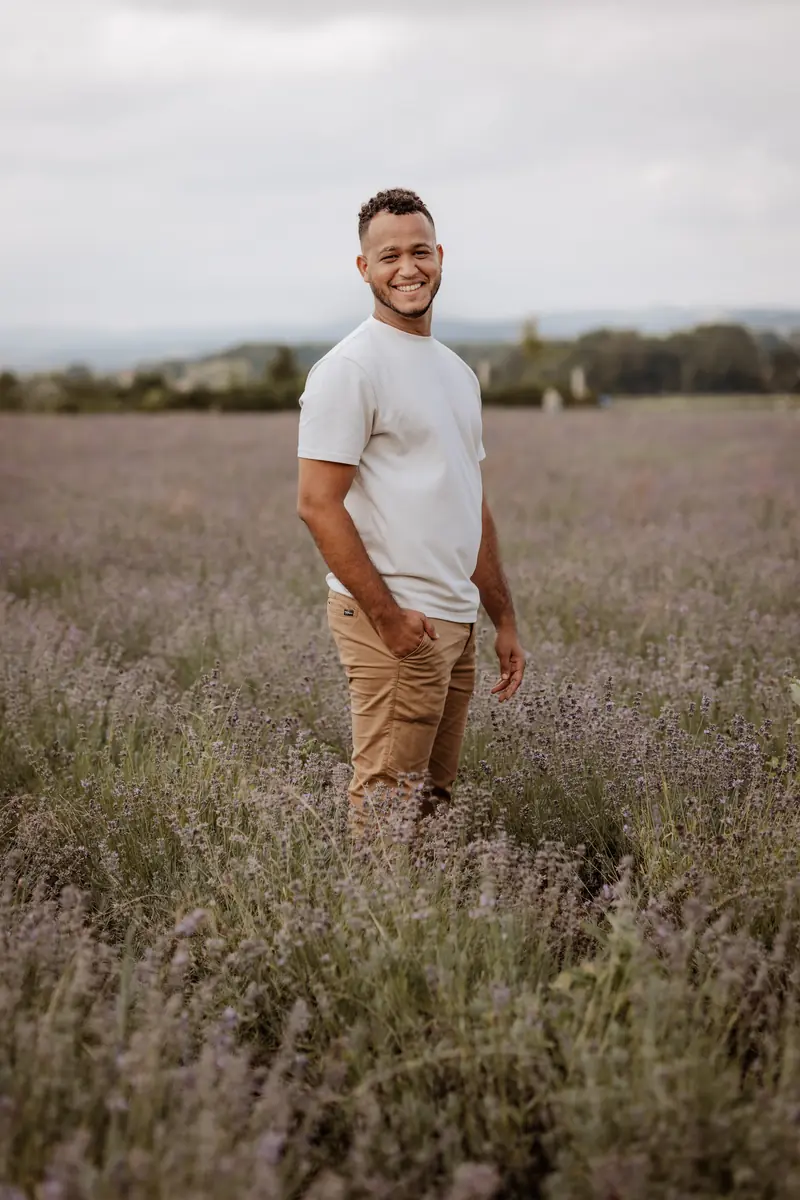
Fraimy PérezDominican instructor from Cabarete. Since 2019 he has taught traditional Dominican bachata, salsa and merengue in private lessons. Meet the instructor →
Ready to dance?
Book your bachata lesson in Cabarete.
Message me on WhatsApp with your dates, level and area. We agree on time and place in Cabarete.