
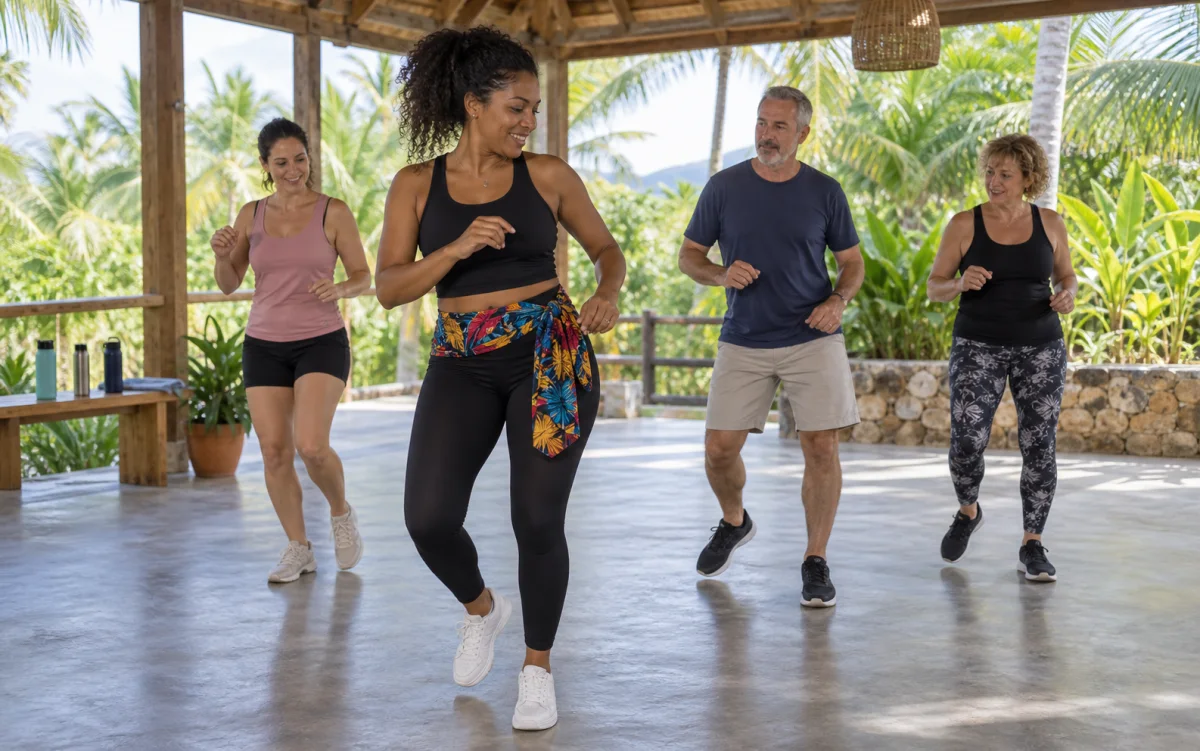
Define one learning goal for each day
Start with timing and weight transfer, then work on partner connection before adding turns. Ask your instructor to adjust the next lesson to what you can repeat comfortably. Confirm group size, total teaching hours and whether guided social practice is actually included.
The word "camp" can conjure images of rigid schedules, mandatory group activities, and a cafeteria serving identical meals at set hours. That is not what a bachata dance camp in Cabarete looks like. Think of it less like a camp and more like a total immersion: days structured around learning, culture, and movement, in a place where the music you're learning to dance to plays from every corner of the town.
Cabarete is built for this. It's small enough to navigate on foot, rich enough in culture to fill every day with something meaningful, and alive enough at night that practice happens organically — not just in lessons, but on real dance floors with real Dominicans who've been doing this since childhood.
What Is a Bachata Dance Camp in Cabarete?
A bachata dance camp in Cabarete is a multi-day immersive experience organized around private or semi-private daily bachata lessons with a native instructor. Unlike a formal dance camp with a preset program, the Cabarete version is shaped by you: your level, your interests, your travel dates, and how deep you want to go into the cultural side of the experience.
At its core, it's a combination of daily instruction, cultural exposure, and social dancing practice. By the end — whether you spend three days or a full week — you'll dance differently than when you arrived. Not just because you've had lessons, but because you've absorbed the music, the culture, and the social context that bachata lives inside.
What to Confirm in Your Training Plan
Daily bachata lessons: Private or couples lessons of one to two hours each, tailored to your level and progression goals. Each lesson builds on the last. The instructor tracks what you've learned and knows exactly where to take you next.
Optional cultural activities: Ask about available excursions or meals and confirm their prices and arrangements separately from the teaching schedule.
Optional social practice: Ask whether there is an event during your stay and whether guided practice is included in your quote. Otherwise, arrange your evening independently.
Music immersion: Spotify playlists of Dominican bachata classics to listen to between lessons, recommendations for what to watch and listen to deepen your understanding of the style and its history.
Sample Multi-Day Training Schedules
For a three-day training stay, agree on lesson hours and a small set of goals. Allow time to repeat the basic step independently and make social practice optional, depending on events and your comfort.
For a five-day training stay, distribute the agreed lesson hours across the week. Review timing, connection and simple partner work, then add optional outings around the schedule. Confirm every inclusion before booking.
For a week-long stay, discuss the total teaching hours with your instructor and plan time for independent practice. Add cultural outings only after confirming availability, price and the hosts' agreement.
Cultural Activities Beyond Dance
Bachata doesn't exist in a vacuum. It was produced by a culture — by working-class Dominican communities, by guitar players at colmados, by people who danced as a way of being together. The more you understand that context, the better your dancing becomes, and the richer your experience of the camp.
Sancocho is a Dominican stew with root vegetables and meat, with recipes that vary by household. Ask a comedor whether it is available that day or arrange a meal in advance. Family gatherings are private unless you are invited.
Dominoes at a colmado: The colmado is the Dominican corner store — but also a social hub, a meeting point, a place where neighbors sit on plastic chairs outside, play dominoes, drink cold Presidente, and talk until midnight. Spending an evening at a local colmado with Fraimy as your guide opens a door to a version of Cabarete that tourists rarely find on their own.
River tubing on the Río Yásica: An exhilarating two-hour guided float through lush tropical scenery on the north coast. The river is cool, clear, and surprisingly dramatic in places. It's an adventure that balances the intensity of daily lessons and gives you a different way to experience the landscape that surrounds this music.
Bachata Dance Camp for All Levels
The camp format works for complete beginners, people with some dance background, and intermediate dancers who want to deepen their Dominican bachata foundation. Each camp is built around your starting point — there's no fixed curriculum that you have to catch up to.
Complete beginners will spend the first two days on fundamentals: basic step, posture, rhythm, closed-position partner connection. By day three they're working on simple combinations. By day five they have a social dancing foundation.
Intermediate dancers — people who've taken bachata in their home country — will often have their technical habits assessed and refined. Dominican bachata teaches you to feel the music rather than count it, to lead and follow through connection rather than memorized patterns. For someone coming from a studio background, that can be a revelation.
Is a Bachata Dance Camp Right for You?
A bachata dance camp in Cabarete is the right choice if you want more than a single class during a vacation. It's for people who want to actually learn — not just experience — and who are curious enough about Dominican culture to go beyond the dance floor.
Solo travelers thrive in this format. The private lesson structure means you make progress at your own pace, and the social dancing practice puts you in natural situations to meet other travelers and locals. Couples find it deeply connecting — learning to dance together, then dancing together in real venues, is a relationship experience unlike anything else. Small groups of friends can customize a shared camp experience with a combination of individual and group sessions.
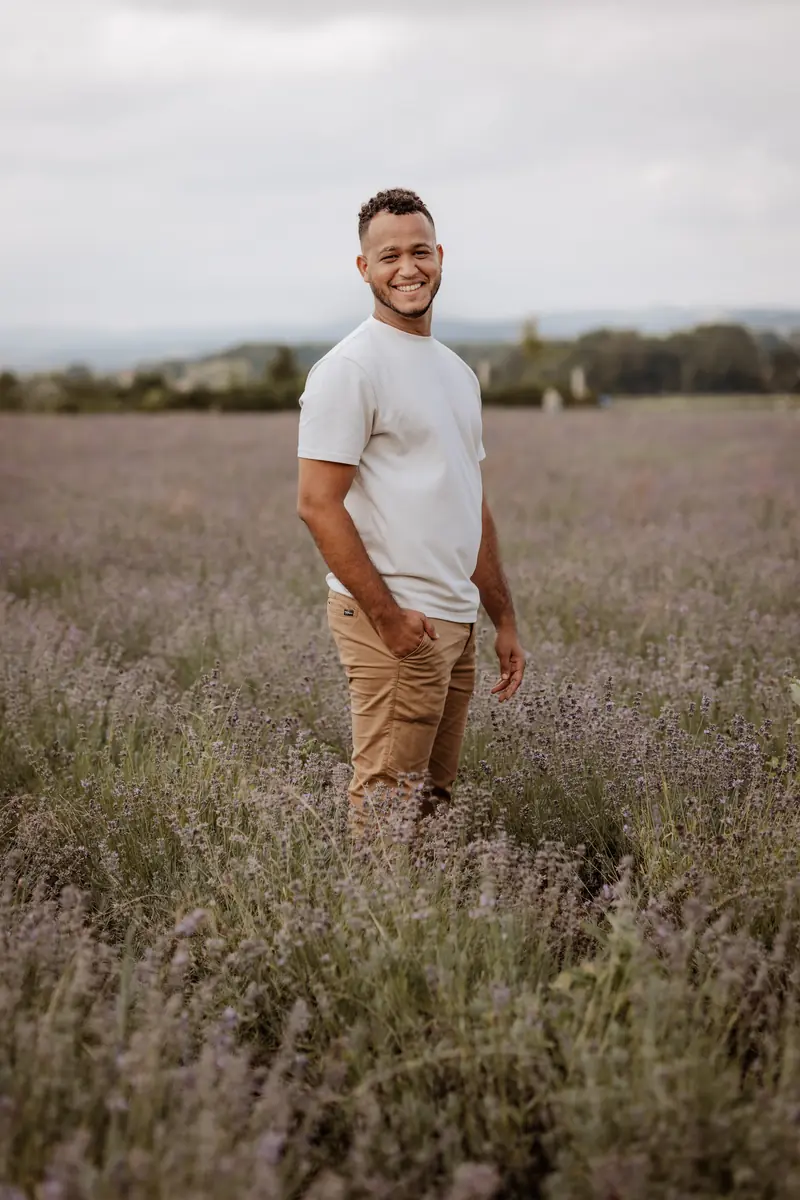
Fraimy PérezDominican instructor from Cabarete. Since 2019 he has taught traditional Dominican bachata, salsa and merengue in private lessons. Meet the instructor →
Ready to dance?
Book your bachata lesson in Cabarete.
Message me on WhatsApp with your dates, level and area. We agree on time and place in Cabarete.