
Choose activities by effort and travel time
For an easy day, combine a lesson with a meal and a beach walk. Reserve separate time for river trips or Puerto Plata and ask about transport, equipment and weather conditions. For a ready-to-follow schedule, use our three-day Cabarete itinerary.
Cabarete has a reputation as a kitesurfing capital, and that reputation is well-earned. But if you reduce this town to wind sports and beach bars, you miss most of what makes it exceptional. Cabarete is a place where a Dominican neighborhood coexists with an international traveler scene — and that combination produces something that no other Caribbean town quite replicates. Here are the 15 best things to do here, in order of how transformative they tend to be for first-time visitors.
1. Take a Private Bachata Lesson with a Native Instructor
A first lesson introduces the timing, basic step and partner connection. Read the instructor profile, describe your goals and ask which lesson format fits your visit.
Book via WhatsApp, set a time, show up. No prepayment, no rigid cancellation policy, no group of 15 strangers watching you stumble. Just one hour of focused, patient, genuinely fun instruction in the dance that Cabarete was built on. After a lesson in the afternoon, going out at night becomes an entirely different experience — you're not watching anymore, you're participating. Private lessons from 2,500 DOP/hr.
2. Go River Tubing on the Río Yásica
Ask a local operator about a Río Yásica outing and confirm the exact starting point, transfer and water conditions. Routes, duration and included equipment vary, so get those details before booking.
3. Watch the Kite Surfers at Kite Beach
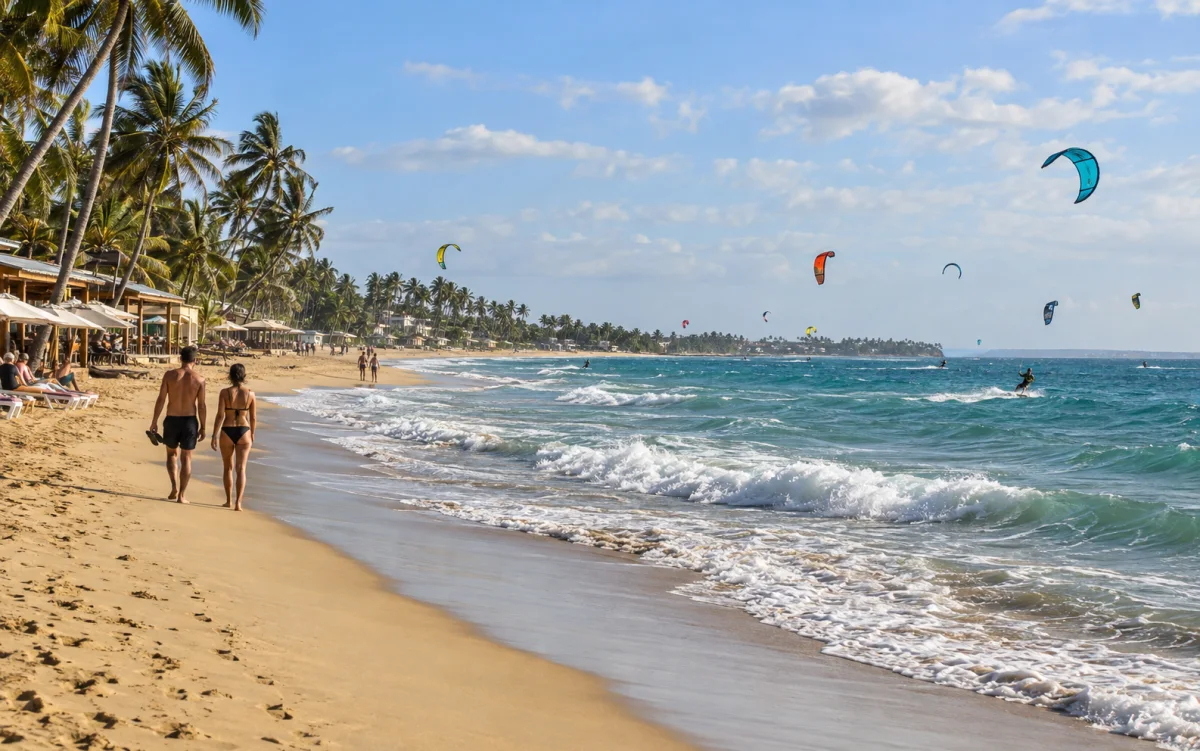
Even if you have no interest in kitesurfing yourself, watching the professionals at Kite Beach is worth an afternoon. The north coast trade winds are some of the most consistent in the world, and Kite Beach — a quieter stretch of sand west of the main Cabarete beach — draws world-class athletes who make the sport look like something from a different dimension. The beach itself is beautiful and much less crowded than the main strip.
4. Explore the Main Street Food Scene
Cabarete's main strip runs parallel to the beach and is lined with restaurants representing a genuinely international food scene: fresh seafood, Italian pasta, Lebanese kebabs, Japanese fusion, and (most importantly) proper Dominican food at prices that are a fraction of what you'd pay at a resort. Eat breakfast at a local juice stand — tropical fruit blended fresh while you wait. Eat lunch at a comedor behind the main strip where the daily special costs less than a coffee in Miami and tastes significantly better.
5. Find a Bachata or Salsa Social
Ask your instructor or accommodation about a bachata or salsa social during your stay. If Ojos Locos is recommended, check its current operation, location and event before going. See the Cabarete nightlife guide for questions to ask.
6. Take a Horseback Ride on the Beach or Through the Country
Several operators near Cabarete offer horseback riding along the beach or through the countryside behind the town. The beach rides go at sunset, which makes them memorable for obvious reasons. The countryside rides take you through small Dominican villages and farm land — a completely different landscape from the coast. Both are accessible for beginners.
7. Get to Know a Neighborhood Colmado
A colmado is a neighborhood shop that can also serve as a social gathering place. Ask a local contact about an appropriate place to visit, buy from the business and respect the people already there. Music and domino games depend on the day; they are not scheduled attractions.
8. Try Authentic Dominican Sancocho with Locals
Sancocho is a Dominican stew with root vegetables and meat, with recipes that vary by household. Ask a comedor whether it is available that day or arrange a meal in advance. Family gatherings are private unless you are invited.
9. Take a Day Trip to Puerto Plata
For a day trip to Puerto Plata, consider the historic center and the waterfront. Confirm travel time, transport and attraction opening hours directly before leaving. Do not plan around a cable-car ride without checking whether it is operating.
10. Learn Merengue and Salsa Too
Bachata gets most of the attention, but merengue is the national dance of the Dominican Republic — faster, more percussive, and deliriously fun once you have the basic step. Fraimy teaches merengue and salsa in addition to bachata, often weaving them into a session to give students a fuller picture of Dominican dance culture. A class that includes all three gives you the vocabulary to participate in almost any Dominican social setting.
11. Snorkel or Dive in Sosúa Bay
Sosúa, ten minutes east of Cabarete, has a sheltered bay with a coral reef that's accessible to snorkelers and beginner divers. The water clarity is excellent, the marine life is diverse, and several dive operators in town offer guided snorkel tours and PADI certification courses. It's a clean, affordable alternative to the coral crowding issues that affect more touristed Caribbean snorkeling spots.
12. Yoga and Wellness by the Sea
Cabarete has a small but genuine wellness community. Several studios offer morning yoga on or near the beach — a useful counterbalance to the late-night dancing. The combination of early morning yoga, afternoon bachata lesson, and evening colmado or nightclub is a daily structure that many visitors find surprisingly satisfying.
13. Eat at a Local Comedor (No Tourist Prices)
A comedor is a small, family-run lunch counter serving the daily special: rice, beans, meat (pollo, res, or cerdo), salad, and juice, all plated and on your table in under five minutes for roughly 200-350 DOP. It's the fastest, cheapest, and most delicious way to eat in Cabarete. The trick is finding one — they're usually a block or two off the main tourist strip, and a local guide will happily point you to the best one in the neighborhood.
14. Check the Local Live-Music Calendar
If Arena Sol is recommended for your dates, confirm the event, music and entry conditions directly. Treat venue names as leads to check, not a guaranteed weekly calendar.
15. Play Dominoes at a Colmado Like a Local
Dominoes is the national pastime of the Dominican Republic, played with a speed and seriousness that suggests it's both recreational and professional simultaneously. The sound of tiles slapping the table and the laughter of a good game are among the most characteristic sounds of Dominican community life. Joining a game requires no Spanish — the rules are universal — and earns you an immediate look of respect from the players. Ask your instructor to facilitate an introduction.
Best Time to Visit Cabarete for Activities
Cabarete activities are available year-round, but December through April offers the most reliable weather for outdoor activities. The water is calm, the sun is warm, and the wind is consistent for water sports. May through November is more humid with occasional rain, but the tourist crowds thin significantly and prices drop. For the most authentic Dominican experience — with locals fully present and the colmado scene at its liveliest — August (school holidays) and the Christmas-New Year period are unbeatable.
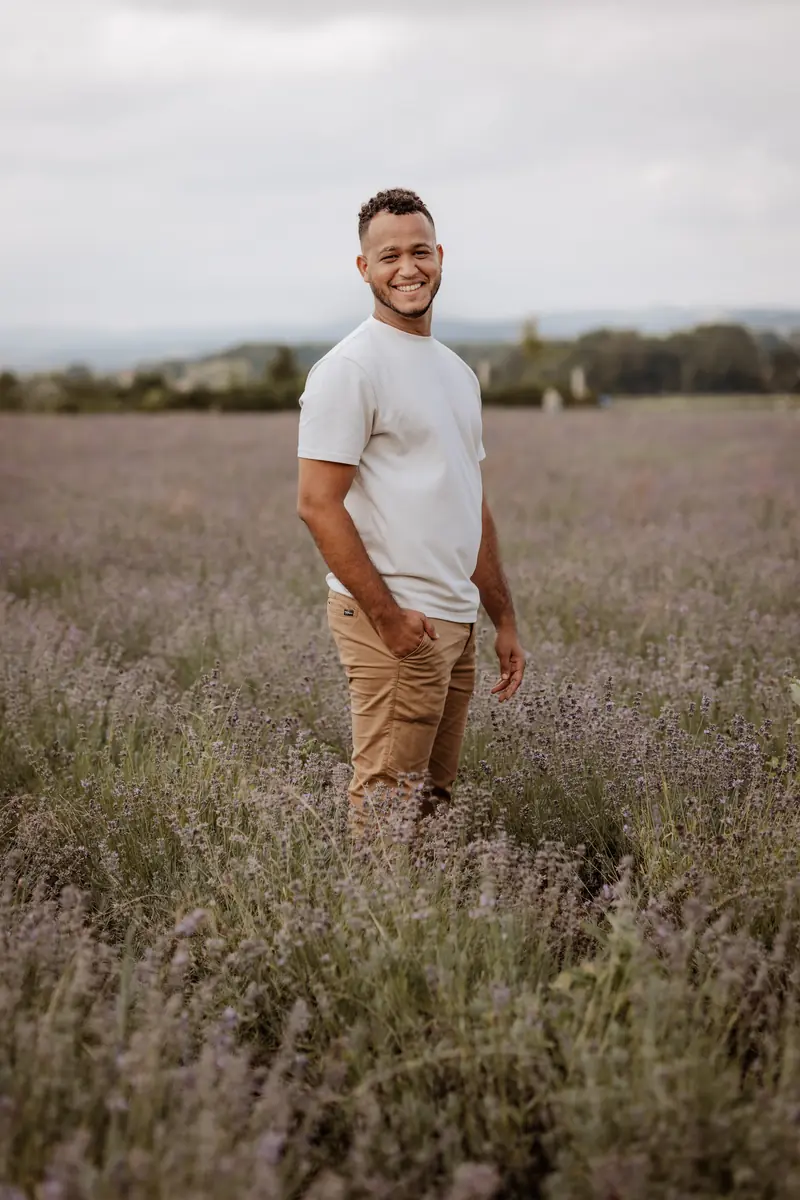
Fraimy PérezDominican instructor from Cabarete. Since 2019 he has taught traditional Dominican bachata, salsa and merengue in private lessons. Meet the instructor →
Ready to dance?
Book your bachata lesson in Cabarete.
Message me on WhatsApp with your dates, level and area. We agree on time and place in Cabarete.